
Overview
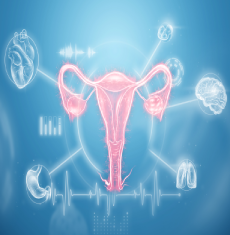
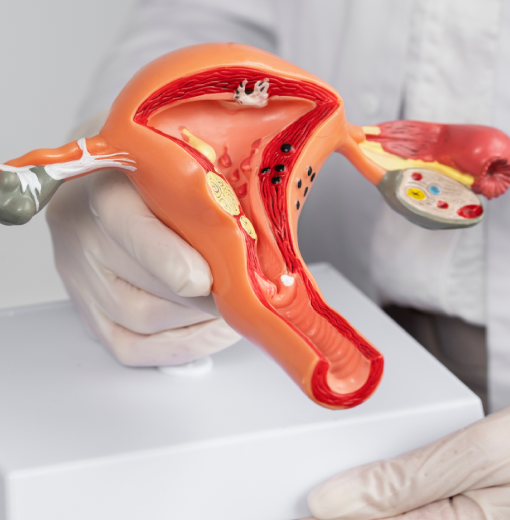
The Department of Obstetrics & Gynaecology at Usha Prime Hospital, Anakapalle provides comprehensive care for women at every stage of life — from adolescence to pregnancy, childbirth, and menopause.
Our team offers expert care for routine pregnancies, high-risk pregnancies, infertility concerns, and a wide range of gynecological conditions. The department focuses on safe motherhood, early diagnosis of women’s health conditions, and minimally invasive surgical treatments.
With experienced
specialists and modern facilities, the department ensures safe delivery
services, advanced surgical care, and compassionate support for women’s health
needs.
Conditions Treated
The department manages a wide range of women’s health conditions including:
- Pregnancy and antenatal care
- High-risk pregnancy
- Menstrual disorders
- Polycystic ovarian syndrome (PCOS)
- Infertility
- Fibroids
- Ovarian cysts
- Endometriosis
- Menopause-related problems
- Gynecological infections
Procedures Offered
The department provides both medical and surgical management including:
Obstetric Services
- Antenatal care and pregnancy monitoring
- High-risk pregnancy management
- Normal vaginal delivery
- Instrumental delivery
- Caesarean section
- Postpartum care
Gynecological Procedures
- Hysterectomy (abdominal / vaginal / laparoscopic)
- Ovarian cyst surgery
- Myomectomy
- Dilatation and curettage (D&C)
- Medical termination of pregnancy
- Tubal ligation / sterilization
- Laparoscopic gynecological procedures
Technology & Facilities Available
The department is supported by modern hospital infrastructure including:
- Well-equipped labour room
- Operation theatre for obstetric and gynecological surgeries
- Fetal monitoring systems
- Ultrasound support
- ICU and emergency care facilities
- Neonatal support services
Key Benefits
Ideally, the first antenatal consultation should be within the first 6–8 weeks of pregnancy to ensure proper monitoring and early detection of any complications.
Pregnancies complicated by conditions such as diabetes, hypertension, multiple pregnancies, or previous pregnancy complications are considered high-risk and require close monitoring.
Women should consult a gynecologist for menstrual irregularities, pelvic pain, infertility concerns, pregnancy care, or any reproductive health issues.